Buy eem18.eu ?
We are moving the project
eem18.eu .
Are you interested in purchasing the domain
eem18.eu ?
domain@kv-gmbh.de · 0541-91531010
Buy eem18.eu ?
What are mass storage devices?
Mass storage devices are hardware devices used to store and retrieve large amounts of data. They are typically used to store files, documents, media, and other types of data for long-term storage. Examples of mass storage devices include hard disk drives, solid-state drives, optical discs, and USB flash drives. These devices are essential for storing and accessing large volumes of data on computers and other electronic devices. **
What are local data storage devices?
Local data storage devices are physical hardware devices that are used to store and retrieve digital data on a local level. These devices include hard disk drives (HDD), solid-state drives (SSD), USB flash drives, memory cards, and optical discs such as CDs and DVDs. Local data storage devices are used to store files, documents, photos, videos, and other digital content, and they provide a convenient and accessible way to store and access data without relying on an internet connection. These devices are commonly used in personal computers, laptops, and other electronic devices for storing and accessing data locally. **
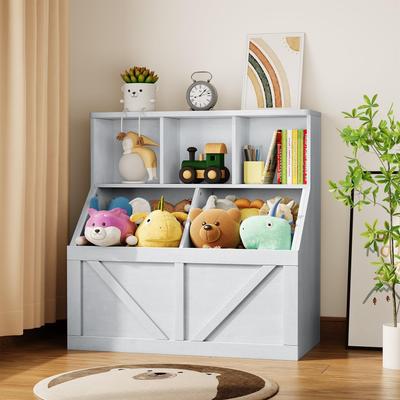

Similar search terms for Toy-Storage-Organizer-Storage
Top-Angebote
Products related to Toy-Storage-Organizer-Storage:
-
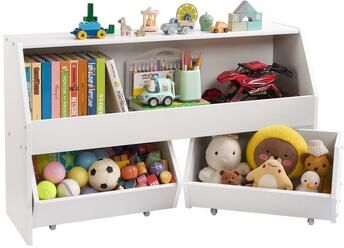
Kodotan sofa Toy Storage Organizer, Wooden Kids Bookshelf with Storage, Toy Storage Cabinet with 2 Mobile Drawers, Kids Storage OrganizerHighlights: 1.Streamlined Organization: This toy storage organizer has 3 compartments plus a top shelf. It helps kids keep toys, books, and other items neatly in place.126,99 $*Shipping: 0,00 $Secure redirect to the provider
-
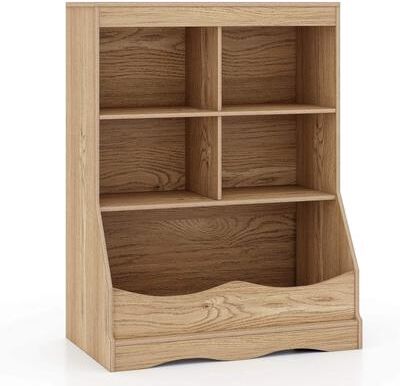
Kids Toy Storage Organizer w/Bookcase Wooden Toy Storage UnitThis kids toy storage organizer will be a perfect addition to the children's room! This storage bookshelf features 5 spacious open compartments to store children's toys, books, stuffed animals, sports gear, craft supplies and more.91,49 $*Shipping: 0,00 $Secure redirect to the provider
-
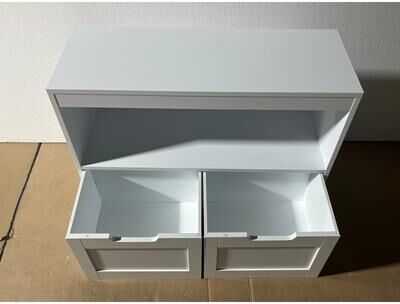
Book Organizer, toy Storage Cabinet Organizer, WhiteBook Organizer, toy Storage Cabinet Organizer, White 【Large Storage Capacity】This storage unit features two spacious drawers and open cube shelves, perfect for organizing toys, small clothes, books, and more.101,49 $*Shipping: 0,00 $Secure redirect to the provider
-
Book Organizer, toy Storage Cabinet Organizer, GrayBook Organizer, toy Storage Cabinet Organizer, Gray 【Large Storage Capacity】This storage unit features two spacious drawers and open cube shelves, perfect for organizing toys, small clothes, books, and more.96,99 $*Shipping: 0,00 $Secure redirect to the provider

-
What are two data storage devices?
Two data storage devices are hard disk drives (HDD) and solid-state drives (SSD). HDDs use spinning disks to store data and are commonly found in desktop computers and laptops. SSDs, on the other hand, use flash memory to store data and are known for their faster read and write speeds, making them popular in high-performance computers and servers. Both devices are used to store and retrieve digital information, but they differ in their technology and performance. **
-
What is the difference between primary storage, secondary storage, and tertiary storage?
Primary storage, also known as main memory, is the internal memory of a computer that is directly accessible by the CPU. It is used to store data and instructions that are currently being processed by the CPU. Secondary storage, on the other hand, refers to external storage devices such as hard drives, solid-state drives, and optical discs, which are used to store data for long-term use. Tertiary storage is a type of storage that is used for archival purposes and is typically slower and less accessible than primary and secondary storage. Examples of tertiary storage include magnetic tape and optical jukeboxes. **
-
How do you format data storage devices?
Data storage devices can be formatted using the built-in formatting tools provided by the operating system. This can typically be done by accessing the device through the Disk Management utility on Windows or the Disk Utility on macOS. When formatting a storage device, you can choose the file system (such as NTFS, exFAT, or HFS+) and allocation unit size. It's important to note that formatting a storage device will erase all data on it, so be sure to back up any important information before proceeding. **
-
How can one merge data storage devices?
One can merge data storage devices by using a process called data mirroring or data striping. Data mirroring involves creating an exact copy of the data on one storage device onto another, providing redundancy and backup. Data striping involves dividing the data into blocks and distributing them across multiple storage devices, which can improve performance and capacity. Both methods require the use of specialized software or hardware to manage the merging of the storage devices and ensure data integrity. **

Can hackers access external data storage devices?
Yes, hackers can potentially access external data storage devices if they are able to gain unauthorized access to the device or the network it is connected to. This could be done through various means such as exploiting security vulnerabilities, using malware, or conducting phishing attacks to trick users into providing access. It is important for individuals and organizations to implement strong security measures such as encryption, access controls, and regular security updates to protect their external data storage devices from unauthorized access. **
Are there novel, durable data storage devices?
Yes, there are novel and durable data storage devices available. One example is the use of DNA as a data storage medium, which has the potential to store vast amounts of data in a very small space and for long periods of time. Another example is the use of advanced materials such as glass or metal to create durable data storage devices that can withstand extreme conditions. These novel storage devices offer the potential for long-term data preservation and efficient use of physical space. **
Top-Angebote
Products related to Toy-Storage-Organizer-Storage:
-
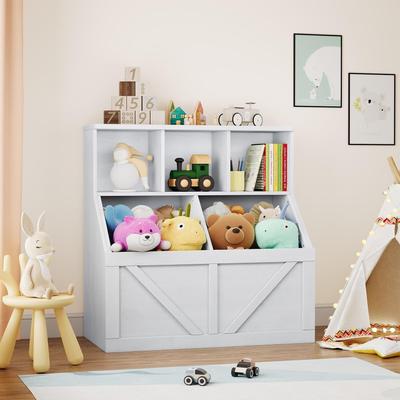
Garvee Kids Bookshelf and Toy Storage, Kids Toy Storage Organizer, Toy Storage Cabinet, Toddler Bookshelf Toy Organizer【Multifunctional Toy Storage Organizer】This kids toy storage organizer combines bookshelf and toy storage cabinet design. 3 open cube shelves can display children's favorite books and toys. 2 bottom storage boxes are spacious for building blocks,...126,87 $*Shipping: 0,00 $Secure redirect to the provider
-
COSTARS Toy Storage Organizer, Kids Bookshelf and Toy Storage with Legs, 3 Cube Storage Organizer【QUALITY AND SAFETY MATERIAL】: Our toy organizers and storage made of quality manufactured wood, sturdy and durable, white painted bookshelf for Kids room with smooth and wear-resistant surface,certified by ASTM, CPSIA and CPC, It is free from harmful…112,49 $*Shipping: 0,00 $Secure redirect to the provider
-
Kodotan sofa Toy Storage Organizer, Wooden Kids Bookshelf with Storage, Toy Storage Cabinet with 2 Mobile Drawers, Kids Storage OrganizerHighlights: 1.Streamlined Organization: This toy storage organizer has 3 compartments plus a top shelf. It helps kids keep toys, books, and other items neatly in place.126,99 $*Shipping: 0,00 $Secure redirect to the provider
-
Kids Toy Storage Organizer w/Bookcase Wooden Toy Storage UnitThis kids toy storage organizer will be a perfect addition to the children's room! This storage bookshelf features 5 spacious open compartments to store children's toys, books, stuffed animals, sports gear, craft supplies and more.91,49 $*Shipping: 0,00 $Secure redirect to the provider
-
What are mass storage devices?
Mass storage devices are hardware devices used to store and retrieve large amounts of data. They are typically used to store files, documents, media, and other types of data for long-term storage. Examples of mass storage devices include hard disk drives, solid-state drives, optical discs, and USB flash drives. These devices are essential for storing and accessing large volumes of data on computers and other electronic devices. **
-
What are local data storage devices?
Local data storage devices are physical hardware devices that are used to store and retrieve digital data on a local level. These devices include hard disk drives (HDD), solid-state drives (SSD), USB flash drives, memory cards, and optical discs such as CDs and DVDs. Local data storage devices are used to store files, documents, photos, videos, and other digital content, and they provide a convenient and accessible way to store and access data without relying on an internet connection. These devices are commonly used in personal computers, laptops, and other electronic devices for storing and accessing data locally. **
-
What are two data storage devices?
Two data storage devices are hard disk drives (HDD) and solid-state drives (SSD). HDDs use spinning disks to store data and are commonly found in desktop computers and laptops. SSDs, on the other hand, use flash memory to store data and are known for their faster read and write speeds, making them popular in high-performance computers and servers. Both devices are used to store and retrieve digital information, but they differ in their technology and performance. **
-
What is the difference between primary storage, secondary storage, and tertiary storage?
Primary storage, also known as main memory, is the internal memory of a computer that is directly accessible by the CPU. It is used to store data and instructions that are currently being processed by the CPU. Secondary storage, on the other hand, refers to external storage devices such as hard drives, solid-state drives, and optical discs, which are used to store data for long-term use. Tertiary storage is a type of storage that is used for archival purposes and is typically slower and less accessible than primary and secondary storage. Examples of tertiary storage include magnetic tape and optical jukeboxes. **
Similar search terms for Toy-Storage-Organizer-Storage
-
Book Organizer, toy Storage Cabinet Organizer, WhiteBook Organizer, toy Storage Cabinet Organizer, White 【Large Storage Capacity】This storage unit features two spacious drawers and open cube shelves, perfect for organizing toys, small clothes, books, and more.101,49 $*Shipping: 0,00 $Secure redirect to the provider
-
Book Organizer, toy Storage Cabinet Organizer, GrayBook Organizer, toy Storage Cabinet Organizer, Gray 【Large Storage Capacity】This storage unit features two spacious drawers and open cube shelves, perfect for organizing toys, small clothes, books, and more.96,99 $*Shipping: 0,00 $Secure redirect to the provider
-
Garvee Kids Bookshelf and Toy Storage, Toy Storage Organizer with Storage Cabinet and Toy Shelf【Multi-Functional Kids Storage Solution】This all-in-one toy storage organizer with bookshelf features 3 open tiers for books & toys, plus 2 large bottom bins for hidden storage.101,99 $*Shipping: 0,00 $Secure redirect to the provider
-
Garvee Kids Bookshelf and Toy Storage, Kids Toy Storage Organizer, Toy Storage Cabinet, Toddler Bookshelf Toy Organizer【Multifunctional Toy Storage Organizer】This kids toy storage organizer combines bookshelf and toy storage cabinet design. 3 open cube shelves can display children's favorite books and toys. 2 bottom storage boxes are spacious for building blocks,...125,70 $*Shipping: 0,00 $Secure redirect to the provider
-
How do you format data storage devices?
Data storage devices can be formatted using the built-in formatting tools provided by the operating system. This can typically be done by accessing the device through the Disk Management utility on Windows or the Disk Utility on macOS. When formatting a storage device, you can choose the file system (such as NTFS, exFAT, or HFS+) and allocation unit size. It's important to note that formatting a storage device will erase all data on it, so be sure to back up any important information before proceeding. **
-
How can one merge data storage devices?
One can merge data storage devices by using a process called data mirroring or data striping. Data mirroring involves creating an exact copy of the data on one storage device onto another, providing redundancy and backup. Data striping involves dividing the data into blocks and distributing them across multiple storage devices, which can improve performance and capacity. Both methods require the use of specialized software or hardware to manage the merging of the storage devices and ensure data integrity. **
-
Can hackers access external data storage devices?
Yes, hackers can potentially access external data storage devices if they are able to gain unauthorized access to the device or the network it is connected to. This could be done through various means such as exploiting security vulnerabilities, using malware, or conducting phishing attacks to trick users into providing access. It is important for individuals and organizations to implement strong security measures such as encryption, access controls, and regular security updates to protect their external data storage devices from unauthorized access. **
-
Are there novel, durable data storage devices?
Yes, there are novel and durable data storage devices available. One example is the use of DNA as a data storage medium, which has the potential to store vast amounts of data in a very small space and for long periods of time. Another example is the use of advanced materials such as glass or metal to create durable data storage devices that can withstand extreme conditions. These novel storage devices offer the potential for long-term data preservation and efficient use of physical space. **
* All prices are inclusive of VAT and, if applicable, plus shipping costs. The offer information is based on the details provided by the respective shop and is updated through automated processes. Real-time updates do not occur, so deviations can occur in individual cases. ** Note: Parts of this content were created by AI.