Buy eem18.eu ?
We are moving the project
eem18.eu .
Are you interested in purchasing the domain
eem18.eu ?
domain@kv-gmbh.de · 0541-91531010
Buy eem18.eu ?
Which USB devices store data?
USB devices such as flash drives, external hard drives, and memory cards are designed to store data. These devices use USB connections to transfer and store files, documents, photos, videos, and other types of data. They are commonly used for backing up important information, transferring files between devices, and expanding the storage capacity of computers and other electronic devices. **
Are USB devices sometimes ejected?
Yes, USB devices are sometimes ejected from a computer. This can happen when the user manually ejects the device through the operating system's interface, or when the computer automatically ejects the device due to a power-saving feature or if the device is not being used. Ejecting a USB device is important to ensure that all data is safely written to the device before it is physically removed, which helps prevent data corruption or loss. **

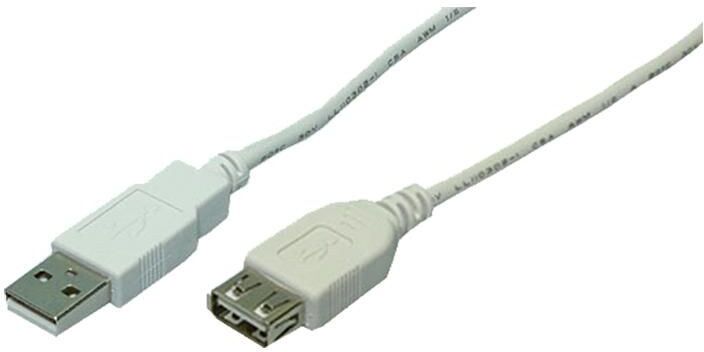
Similar search terms for USB-A
Top-Angebote
Products related to USB-A:
-
Hama USB 2.0 Cable, 1.8m USB cable USB A Black- To connect digital cameras and external USB devices- Data transfer rate: max. 480 Mbit/s- Downwards compatible, this means: also suitable for USB 1.1 systems- Ultra tight shielding thanks to tinned copper strand, therefore 100% protection against disturbing radiation/emissions!11,99 £*Shipping: 0,00 £Secure redirect to the provider


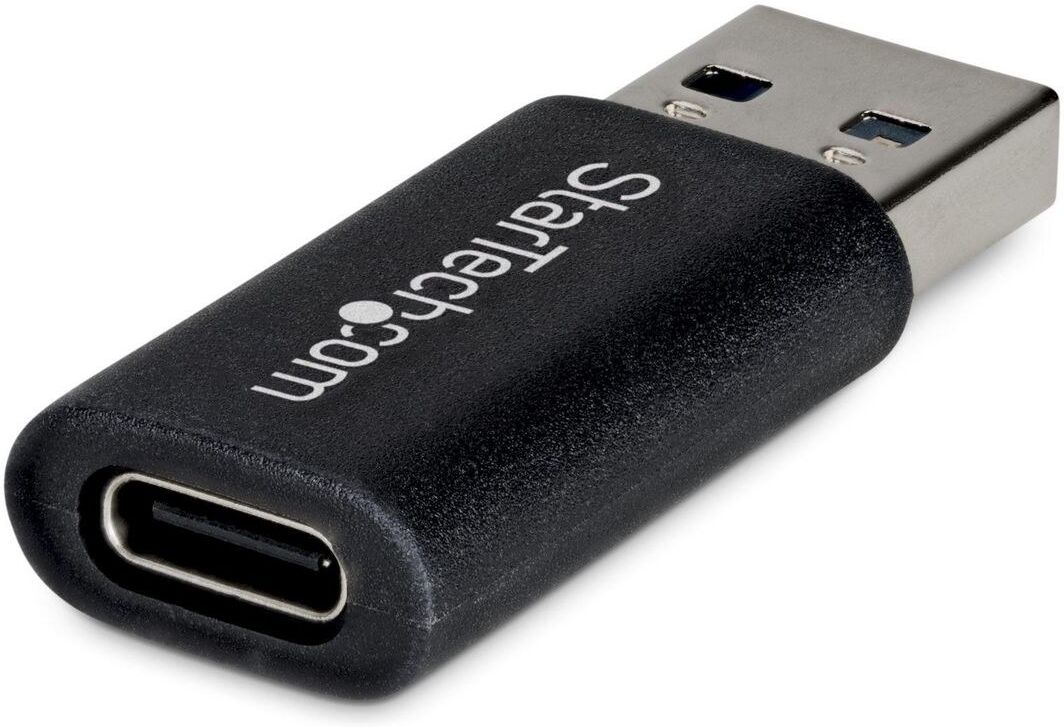

-
Can I connect multiple devices to a USB port in the car using a USB hub?
Yes, you can connect multiple devices to a USB port in the car using a USB hub. A USB hub allows you to expand the number of available USB ports, so you can connect multiple devices such as smartphones, tablets, or other USB-powered devices. However, it's important to make sure that the USB hub is compatible with your car's USB port and that it has enough power to support all the connected devices. Additionally, some car USB ports may have limitations on the amount of power they can provide, so it's important to check the specifications of your car's USB port and the USB hub before connecting multiple devices. **
-
How can I connect USB accessories to my iPhone?
You can connect USB accessories to your iPhone using a Lightning to USB adapter. This adapter allows you to plug in a USB accessory, such as a camera, keyboard, or audio interface, into your iPhone. Simply plug the USB accessory into the adapter, and then connect the adapter to your iPhone's Lightning port. This will allow you to use the USB accessory with your iPhone. Keep in mind that not all USB accessories may be compatible with the iPhone, so it's important to check for compatibility before purchasing an adapter. **
-
How many USB devices are too many?
The number of USB devices that are too many depends on the capacity and capabilities of the computer or device being used. Generally, if a computer has limited USB ports, having too many devices connected can lead to performance issues and potential overload of the USB controller. Additionally, having too many USB devices connected can also lead to power consumption issues, especially if the devices are drawing power from the computer. It's important to consider the limitations of the computer and the power requirements of the USB devices when determining how many is too many. **
-
Are USB devices backward and forward compatible?
Yes, USB devices are backward and forward compatible. This means that newer USB devices can work with older USB ports, and older USB devices can work with newer USB ports. For example, a USB 3.0 device can be used with a USB 2.0 port, and a USB 2.0 device can be used with a USB 3.0 port. This compatibility allows for flexibility and ease of use when connecting different USB devices to various ports. **


Why are USB devices not being recognized?
USB devices may not be recognized due to a variety of reasons, including faulty USB ports, outdated or incompatible drivers, or issues with the device itself. It's also possible that the device is not receiving enough power from the USB port, or that there is a problem with the USB cable. Additionally, software or hardware conflicts, as well as issues with the operating system, can also cause USB devices to not be recognized. Troubleshooting steps such as checking connections, updating drivers, and testing the device on another computer can help identify and resolve the issue. **
How do I remove USB devices from a running PC?
To safely remove USB devices from a running PC, you should first click on the 'Safely Remove Hardware' icon in the system tray located on the taskbar. Then, select the USB device you want to remove from the list of connected devices and click 'Eject' or 'Safely Remove'. Wait for the confirmation message that it is safe to remove the device before physically unplugging it from the USB port. This process ensures that data is not being read or written to the device when it is removed, preventing potential data corruption or damage to the device. **
Top-Angebote
Products related to USB-A:
-
Hama USB 2.0 Cable, 1.8m USB cable USB A Black- To connect digital cameras and external USB devices- Data transfer rate: max. 480 Mbit/s- Downwards compatible, this means: also suitable for USB 1.1 systems- Ultra tight shielding thanks to tinned copper strand, therefore 100% protection against disturbing radiation/emissions!11,99 £*Shipping: 0,00 £Secure redirect to the provider
-
Which USB devices store data?
USB devices such as flash drives, external hard drives, and memory cards are designed to store data. These devices use USB connections to transfer and store files, documents, photos, videos, and other types of data. They are commonly used for backing up important information, transferring files between devices, and expanding the storage capacity of computers and other electronic devices. **
-
Are USB devices sometimes ejected?
Yes, USB devices are sometimes ejected from a computer. This can happen when the user manually ejects the device through the operating system's interface, or when the computer automatically ejects the device due to a power-saving feature or if the device is not being used. Ejecting a USB device is important to ensure that all data is safely written to the device before it is physically removed, which helps prevent data corruption or loss. **
-
Can I connect multiple devices to a USB port in the car using a USB hub?
Yes, you can connect multiple devices to a USB port in the car using a USB hub. A USB hub allows you to expand the number of available USB ports, so you can connect multiple devices such as smartphones, tablets, or other USB-powered devices. However, it's important to make sure that the USB hub is compatible with your car's USB port and that it has enough power to support all the connected devices. Additionally, some car USB ports may have limitations on the amount of power they can provide, so it's important to check the specifications of your car's USB port and the USB hub before connecting multiple devices. **
-
How can I connect USB accessories to my iPhone?
You can connect USB accessories to your iPhone using a Lightning to USB adapter. This adapter allows you to plug in a USB accessory, such as a camera, keyboard, or audio interface, into your iPhone. Simply plug the USB accessory into the adapter, and then connect the adapter to your iPhone's Lightning port. This will allow you to use the USB accessory with your iPhone. Keep in mind that not all USB accessories may be compatible with the iPhone, so it's important to check for compatibility before purchasing an adapter. **
Similar search terms for USB-A
-
How many USB devices are too many?
The number of USB devices that are too many depends on the capacity and capabilities of the computer or device being used. Generally, if a computer has limited USB ports, having too many devices connected can lead to performance issues and potential overload of the USB controller. Additionally, having too many USB devices connected can also lead to power consumption issues, especially if the devices are drawing power from the computer. It's important to consider the limitations of the computer and the power requirements of the USB devices when determining how many is too many. **
-
Are USB devices backward and forward compatible?
Yes, USB devices are backward and forward compatible. This means that newer USB devices can work with older USB ports, and older USB devices can work with newer USB ports. For example, a USB 3.0 device can be used with a USB 2.0 port, and a USB 2.0 device can be used with a USB 3.0 port. This compatibility allows for flexibility and ease of use when connecting different USB devices to various ports. **
-
Why are USB devices not being recognized?
USB devices may not be recognized due to a variety of reasons, including faulty USB ports, outdated or incompatible drivers, or issues with the device itself. It's also possible that the device is not receiving enough power from the USB port, or that there is a problem with the USB cable. Additionally, software or hardware conflicts, as well as issues with the operating system, can also cause USB devices to not be recognized. Troubleshooting steps such as checking connections, updating drivers, and testing the device on another computer can help identify and resolve the issue. **
-
How do I remove USB devices from a running PC?
To safely remove USB devices from a running PC, you should first click on the 'Safely Remove Hardware' icon in the system tray located on the taskbar. Then, select the USB device you want to remove from the list of connected devices and click 'Eject' or 'Safely Remove'. Wait for the confirmation message that it is safe to remove the device before physically unplugging it from the USB port. This process ensures that data is not being read or written to the device when it is removed, preventing potential data corruption or damage to the device. **
* All prices are inclusive of VAT and, if applicable, plus shipping costs. The offer information is based on the details provided by the respective shop and is updated through automated processes. Real-time updates do not occur, so deviations can occur in individual cases. ** Note: Parts of this content were created by AI.