Buy eem18.eu ?
We are moving the project
eem18.eu .
Are you interested in purchasing the domain
eem18.eu ?
domain@kv-gmbh.de · 0541-91531010
Buy eem18.eu ?
What is the difference between the Arctic P14 PWM and the Arctic Bionix P140 PWM?
The Arctic P14 PWM is a standard case fan designed for efficient cooling with a maximum speed of 1700 RPM, while the Arctic Bionix P140 PWM is a high-performance fan with a maximum speed of 2000 RPM. The Bionix P140 PWM features a unique design with optimized fan blades and a motor for improved airflow and reduced noise levels compared to the Arctic P14 PWM. Additionally, the Bionix P140 PWM comes with a 10-year warranty, highlighting its durability and quality. **
What is the price for a complete gaming PC including gadgets and accessories?
The price for a complete gaming PC including gadgets and accessories can vary widely depending on the specific components and accessories chosen. A basic gaming PC with mid-range components and essential accessories like a keyboard, mouse, and headset can start at around $800-$1000. However, for a high-end gaming PC with top-of-the-line components, high-resolution monitors, gaming chairs, and other premium accessories, the price can exceed $3000-$4000. It ultimately depends on the individual's budget and preferences for gaming equipment. **


Similar search terms for P14
Top-Angebote
Products related to P14:
-
Arctic P14 140 mm Pressure-optimised PC Case Fan - Black, 5 PackThe P14 fan features completely redesigned fan blades and is optimised for high static pressure. Thus, the P14 is especially effective when used on heatsinks and with higher air resistance.28,49 £*Shipping: 0,00 £Secure redirect to the provider
-
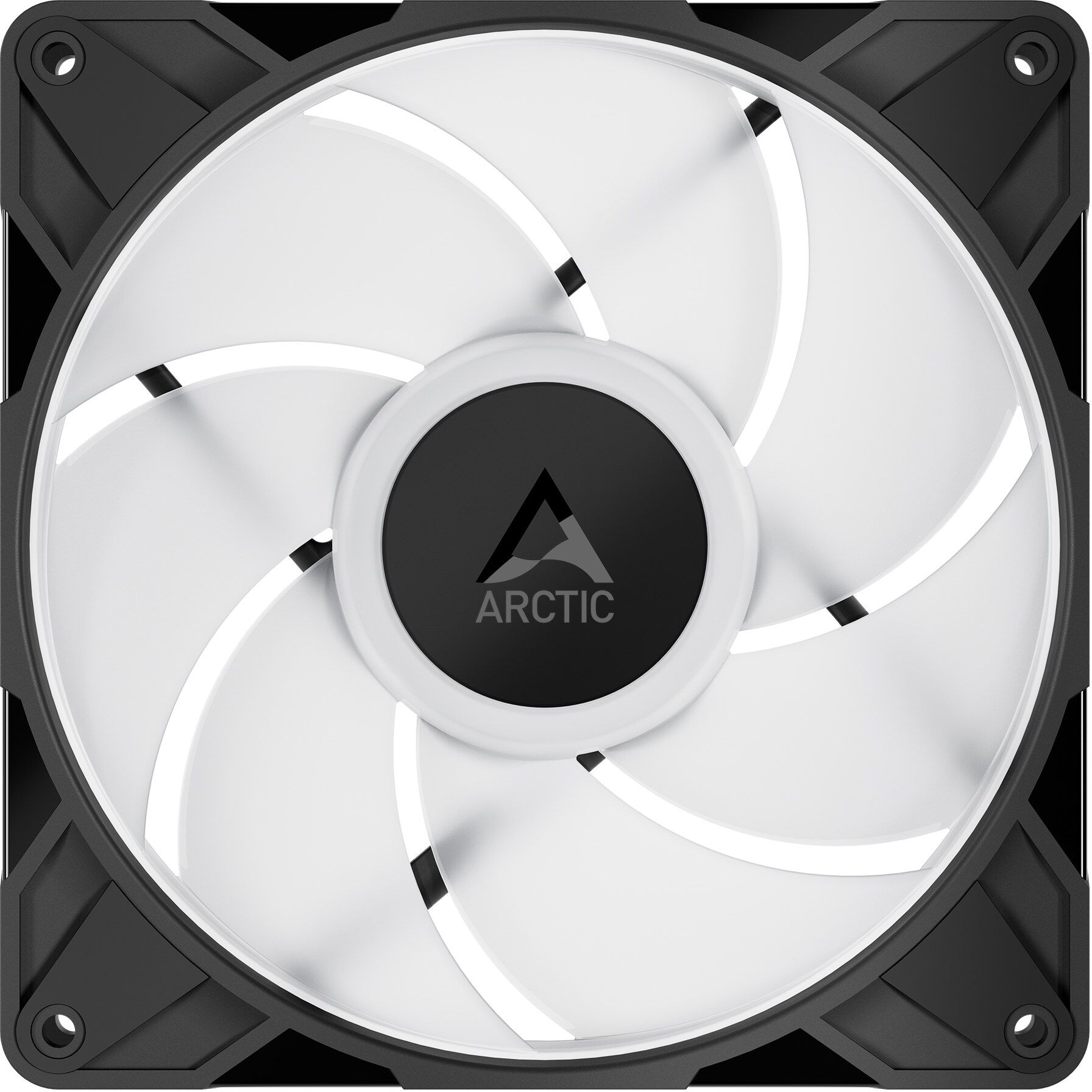
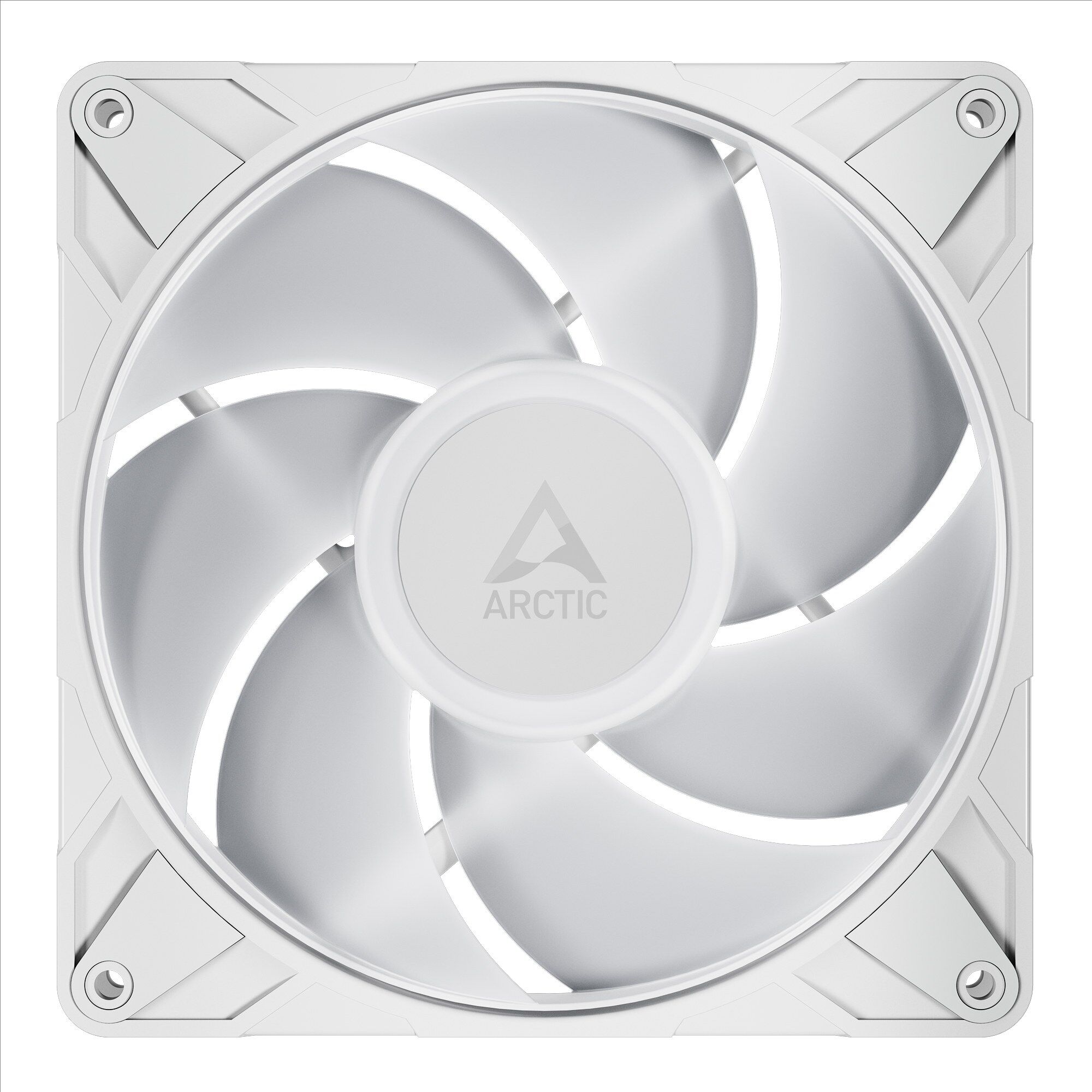
Arctic P14 Pro PST (White) 140 mm PWM Fan with Cable SplitterARCTIC P14 Pro PST (White) 140 mm PWM Fan with Cable Splitter. Type: Fan, Fan diameter: 14 cm, Rotational speed (min): 400 RPM, Rotational speed (max): 2500 RPM, Airflow: 186 m³/h, Maximum air pressure: 5.2 mmH2O, Bearing type: Fluid Dynamic Bearing (FDB). Product colour: White14,99 £*Shipping: 0,00 £Secure redirect to the provider
-
Arctic P14 Pro A-RGB 140 mm PWM Fan with Cable Splitter - BlackARCTIC P14 Pro A-RGB 140 mm A-RGB PWM Fan with Cable Splitter. Type: Fan, Fan diameter: 14 cm, Rotational speed (min): 400 RPM, Rotational speed (max): 2500 RPM, Airflow: 186 m³/h, Maximum air pressure: 5.2 mmH2O, Bearing type: Fluid Dynamic Bearing (FDB). Product colour: Black19,49 £*Shipping: 0,00 £Secure redirect to the provider
-
Arctic P14 Pro A-RGB 140 mm PWM Fan with Cable Splitter - WhiteARCTIC P14 Pro A-RGB (White) 140 mm A-RGB PWM Fan with Cable Splitter. Type: Fan, Fan diameter: 14 cm, Rotational speed (min): 400 RPM, Rotational speed (max): 2500 RPM, Airflow: 186 m³/h, Maximum air pressure: 5.2 mmH2O, Bearing type: Fluid Dynamic Bearing (FDB). Product colour: White19,49 £*Shipping: 0,00 £Secure redirect to the provider


-
What accessories are available for Apple devices?
There are a wide range of accessories available for Apple devices, including cases, screen protectors, chargers, headphones, and adapters. Additionally, there are also accessories such as Apple Pencil for iPad, AirPods for wireless audio, and Apple Watch for fitness and notifications. Other accessories include external storage devices, keyboard covers, and stands for various Apple devices. These accessories are designed to enhance the functionality, protection, and overall user experience of Apple devices. **
-
What is the difference between electronics and technology?
Electronics refers specifically to devices that operate by controlling the flow of electrons, such as computers, smartphones, and televisions. Technology, on the other hand, is a broader term that encompasses a wide range of tools, systems, and methods used to solve problems or achieve goals. While electronics are a subset of technology, technology includes not only electronic devices but also mechanical, digital, and other types of tools and systems. **
-
How are electronics technicians trained for automation technology?
Electronics technicians are trained for automation technology through a combination of formal education and on-the-job training. They typically complete a post-secondary program in electronics or a related field, where they learn about electrical circuits, digital electronics, and control systems. Additionally, they receive specialized training in automation technology, which includes learning about programmable logic controllers (PLCs), industrial robotics, and process control systems. This training may also involve hands-on experience with automation equipment and systems in a lab or industrial setting. Overall, electronics technicians are trained to understand and troubleshoot the complex systems used in automation technology. **
-
Is the electronics technician for automation technology difficult?
Becoming an electronics technician for automation technology can be challenging, as it requires a strong understanding of electrical systems, programming, and automation technology. The field is constantly evolving, so technicians must stay updated on the latest advancements and technologies. However, with dedication and the right training, individuals can develop the skills and knowledge needed to succeed in this role. It may be difficult at times, but the opportunities for growth and the potential to work on cutting-edge technology make it a rewarding career choice for those passionate about automation. **


What is better: Industrial electronics technician or electronics technician for energy and building technology?
The choice between an industrial electronics technician and an electronics technician for energy and building technology depends on your career goals and interests. An industrial electronics technician typically works with manufacturing equipment and machinery, while an electronics technician for energy and building technology focuses on electrical systems in buildings and energy infrastructure. If you are interested in working with manufacturing processes and machinery, then industrial electronics technician may be a better fit. However, if you are passionate about sustainable energy and building technology, then electronics technician for energy and building technology may be the better option for you. **
Do you buy technical devices and accessories locally or online?
I prefer to buy technical devices and accessories online. I find that online retailers often have a wider selection and better prices compared to local stores. Additionally, the convenience of being able to compare products and read reviews from other customers makes online shopping a more appealing option for me. However, I do occasionally purchase items locally if I need them immediately or if I want to see the product in person before buying. **
Top-Angebote
Products related to P14:
-
Arctic P14 Pro 140 mm PWM FanARCTIC P14 Pro 140 mm PWM Fan. Type: Fan, Fan diameter: 14 cm, Rotational speed (min): 400 RPM, Rotational speed (max): 2500 RPM, Airflow: 186 m³/h, Maximum air pressure: 5.2 mmH2O, Bearing type: Fluid Dynamic Bearing (FDB). Product colour: Black13,99 £*Shipping: 0,00 £Secure redirect to the provider
-
Arctic P14 Pro Reverse 140 mm PWM Fan - Standard, Black, SingleARCTIC’s versatile assortment of Fans is both quiet and powerful. We have the right options for any application or need, in sizes from 80 to 140 mm. Plus, our Fans are equipped with state-of-the-art engine technology, innovative fan blades and high-quality bearings, making them particularly durable and efficient.13,99 £*Shipping: 0,00 £Secure redirect to the provider
-
Arctic P14 140 mm Pressure-optimised PC Case Fan - Black, 5 PackThe P14 fan features completely redesigned fan blades and is optimised for high static pressure. Thus, the P14 is especially effective when used on heatsinks and with higher air resistance.28,49 £*Shipping: 0,00 £Secure redirect to the provider
-
Arctic P14 Pro PST (White) 140 mm PWM Fan with Cable SplitterARCTIC P14 Pro PST (White) 140 mm PWM Fan with Cable Splitter. Type: Fan, Fan diameter: 14 cm, Rotational speed (min): 400 RPM, Rotational speed (max): 2500 RPM, Airflow: 186 m³/h, Maximum air pressure: 5.2 mmH2O, Bearing type: Fluid Dynamic Bearing (FDB). Product colour: White14,99 £*Shipping: 0,00 £Secure redirect to the provider
-
What is the difference between the Arctic P14 PWM and the Arctic Bionix P140 PWM?
The Arctic P14 PWM is a standard case fan designed for efficient cooling with a maximum speed of 1700 RPM, while the Arctic Bionix P140 PWM is a high-performance fan with a maximum speed of 2000 RPM. The Bionix P140 PWM features a unique design with optimized fan blades and a motor for improved airflow and reduced noise levels compared to the Arctic P14 PWM. Additionally, the Bionix P140 PWM comes with a 10-year warranty, highlighting its durability and quality. **
-
What is the price for a complete gaming PC including gadgets and accessories?
The price for a complete gaming PC including gadgets and accessories can vary widely depending on the specific components and accessories chosen. A basic gaming PC with mid-range components and essential accessories like a keyboard, mouse, and headset can start at around $800-$1000. However, for a high-end gaming PC with top-of-the-line components, high-resolution monitors, gaming chairs, and other premium accessories, the price can exceed $3000-$4000. It ultimately depends on the individual's budget and preferences for gaming equipment. **
-
What accessories are available for Apple devices?
There are a wide range of accessories available for Apple devices, including cases, screen protectors, chargers, headphones, and adapters. Additionally, there are also accessories such as Apple Pencil for iPad, AirPods for wireless audio, and Apple Watch for fitness and notifications. Other accessories include external storage devices, keyboard covers, and stands for various Apple devices. These accessories are designed to enhance the functionality, protection, and overall user experience of Apple devices. **
-
What is the difference between electronics and technology?
Electronics refers specifically to devices that operate by controlling the flow of electrons, such as computers, smartphones, and televisions. Technology, on the other hand, is a broader term that encompasses a wide range of tools, systems, and methods used to solve problems or achieve goals. While electronics are a subset of technology, technology includes not only electronic devices but also mechanical, digital, and other types of tools and systems. **
Similar search terms for P14
-
Arctic P14 Pro A-RGB 140 mm PWM Fan with Cable Splitter - BlackARCTIC P14 Pro A-RGB 140 mm A-RGB PWM Fan with Cable Splitter. Type: Fan, Fan diameter: 14 cm, Rotational speed (min): 400 RPM, Rotational speed (max): 2500 RPM, Airflow: 186 m³/h, Maximum air pressure: 5.2 mmH2O, Bearing type: Fluid Dynamic Bearing (FDB). Product colour: Black19,49 £*Shipping: 0,00 £Secure redirect to the provider
-
Arctic P14 Pro A-RGB 140 mm PWM Fan with Cable Splitter - WhiteARCTIC P14 Pro A-RGB (White) 140 mm A-RGB PWM Fan with Cable Splitter. Type: Fan, Fan diameter: 14 cm, Rotational speed (min): 400 RPM, Rotational speed (max): 2500 RPM, Airflow: 186 m³/h, Maximum air pressure: 5.2 mmH2O, Bearing type: Fluid Dynamic Bearing (FDB). Product colour: White19,49 £*Shipping: 0,00 £Secure redirect to the provider
-
Arctic P14 Pro Reverse A-RGB 140 mm PWM Fan with Cable Splitter - BlackARCTIC P14 Pro Reverse A-RGB in black: a single 140 mm PWM case fan with reversed blades, designed to draw air in from the back side so the fan's clean front faces outward — useful where a conventional fan would spoil the look of a showcase case. It runs from 400 to 2650 rpm under PWM control (stopping below 5% PWM), moves up to 98 CFM (166.5 m³/h) at 5.1 mmH2O static pressure, and uses a fluid dynamic bearing. Twelve addressable A-RGB LEDs connect via a 3-pin 5 V plug. Both the 4-pin PWM and 3-pin A-RGB leads carry a pass-through socket, so several fans can be daisy-chained from a single header. Covered by a 6-year ARCTIC warranty.19,49 £*Shipping: 0,00 £Secure redirect to the provider
-
Arctic P14 Pro Reverse 140 mm PWM Fan - Standard, Black, 3 PackARCTIC’s versatile assortment of Fans is both quiet and powerful. We have the right options for any application or need, in sizes from 80 to 140 mm. Plus, our Fans are equipped with state-of-the-art engine technology, innovative fan blades and high-quality bearings, making them particularly durable and efficient.27,49 £*Shipping: 0,00 £Secure redirect to the provider
-
How are electronics technicians trained for automation technology?
Electronics technicians are trained for automation technology through a combination of formal education and on-the-job training. They typically complete a post-secondary program in electronics or a related field, where they learn about electrical circuits, digital electronics, and control systems. Additionally, they receive specialized training in automation technology, which includes learning about programmable logic controllers (PLCs), industrial robotics, and process control systems. This training may also involve hands-on experience with automation equipment and systems in a lab or industrial setting. Overall, electronics technicians are trained to understand and troubleshoot the complex systems used in automation technology. **
-
Is the electronics technician for automation technology difficult?
Becoming an electronics technician for automation technology can be challenging, as it requires a strong understanding of electrical systems, programming, and automation technology. The field is constantly evolving, so technicians must stay updated on the latest advancements and technologies. However, with dedication and the right training, individuals can develop the skills and knowledge needed to succeed in this role. It may be difficult at times, but the opportunities for growth and the potential to work on cutting-edge technology make it a rewarding career choice for those passionate about automation. **
-
What is better: Industrial electronics technician or electronics technician for energy and building technology?
The choice between an industrial electronics technician and an electronics technician for energy and building technology depends on your career goals and interests. An industrial electronics technician typically works with manufacturing equipment and machinery, while an electronics technician for energy and building technology focuses on electrical systems in buildings and energy infrastructure. If you are interested in working with manufacturing processes and machinery, then industrial electronics technician may be a better fit. However, if you are passionate about sustainable energy and building technology, then electronics technician for energy and building technology may be the better option for you. **
-
Do you buy technical devices and accessories locally or online?
I prefer to buy technical devices and accessories online. I find that online retailers often have a wider selection and better prices compared to local stores. Additionally, the convenience of being able to compare products and read reviews from other customers makes online shopping a more appealing option for me. However, I do occasionally purchase items locally if I need them immediately or if I want to see the product in person before buying. **
* All prices are inclusive of VAT and, if applicable, plus shipping costs. The offer information is based on the details provided by the respective shop and is updated through automated processes. Real-time updates do not occur, so deviations can occur in individual cases. ** Note: Parts of this content were created by AI.