Buy eem18.eu ?
We are moving the project
eem18.eu .
Are you interested in purchasing the domain
eem18.eu ?
domain@kv-gmbh.de · 0541-91531010
Buy eem18.eu ?
What is thermal resistance in electronics?
Thermal resistance in electronics refers to the measure of how a material or component resists the flow of heat. It is important in electronics to manage heat dissipation to prevent overheating and ensure the proper functioning of components. Thermal resistance is typically measured in degrees Celsius per watt (°C/W) and is used to calculate the temperature rise of a component for a given power input. Lower thermal resistance values indicate better heat dissipation capabilities. **
Among which thermal pads is thermal paste used?
Thermal paste is typically used between the CPU and the heatsink to improve heat transfer. It is not used with thermal pads, as thermal pads are pre-applied or placed between components where a more solid interface is needed. Thermal paste is a better choice for areas where there are small gaps or uneven surfaces that need to be filled for optimal heat dissipation. **

Similar search terms for Thermal
Top-Angebote
Products related to Thermal:
-
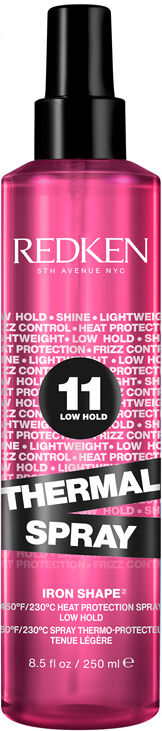
Redken Thermal Spray 250mlRedken Thermal Spray protects and repairs hair from thermal damage. Key Benefits: Heat protection 230°C 24 hour frizz protection Increased shine Bottle made from recycled plastic (excluding pump and cap) With a lightweight formula, this heat protector protects hair from up to 230°C and is suitable for all hair types. Frizz is reduced and hair is left with a glossy shine for that salon-fresh finish from root to tip. Formulated with Redken’s Heat Re-Style technology, this protecting mist can be applied once and still allow for endless re-styling throughout the day. Ingredients: Aqua / water • Isobutane • Propylene Glycol • Sodium Polystyrene Sulfonate • Carbomer • Triethanolamine • Phenoxyethanol • Peg-40 Hydrogenated castor oil • Parfum / fragrance • Peg-60 Almond Glycerides • Polysorbate 20 • Cocamidopropyl Betaine • Benzophenone-4 • Glyceryl Laurate • Sodium Chloride • Hydroxypropyltrimonium Hydrolyzed Wheat Protein • Glycerin • Alpha-isomethyl Ionone • Xylose • Linalool • Hydroxycitronellal • Hexyl Cinnamal • Citronellol • Sodium Benzoate • Geraniol • Limonene • Benzyl Alcohol • Isoeugenol20,40 £*Shipping: 0,00 £Secure redirect to the provider
-
Klutz: LEGO GadgetsThis activity kit will have you building 11 machines including a gravity powered car and a wacky boxing robot. The fun doesn't stop once you've completed all of the projects in the book - open-ended prompts will inspire you to continue experimenting...24,99 $*Shipping: 0,00 $Secure redirect to the provider



-
Can a thermal imaging camera detect spy cameras and listening devices?
Thermal imaging cameras are not typically designed to detect spy cameras and listening devices. These devices are usually small and do not emit heat signatures that can be picked up by thermal imaging technology. To detect spy cameras and listening devices, specialized equipment such as radio frequency (RF) detectors or hidden camera detectors would be more effective. These devices can detect the electronic signals or lenses of hidden cameras and listening devices. **
-
What is the difference between thermal energy and thermal power?
Thermal energy refers to the internal energy present in a system due to the motion and interaction of its particles. It is a measure of the total kinetic and potential energy of the particles in a substance. On the other hand, thermal power refers to the rate at which thermal energy is transferred or converted into other forms of energy, such as mechanical or electrical energy. It is a measure of the amount of thermal energy transferred per unit of time. In summary, thermal energy is the total energy present in a system, while thermal power is the rate at which thermal energy is transferred or converted. **
-
Should one use a thermal pad instead of thermal paste?
Whether to use a thermal pad or thermal paste depends on the specific application and personal preference. Thermal pads are convenient and easy to use, making them a good choice for beginners or for situations where precision application is difficult. However, thermal paste generally provides better thermal conductivity and is often preferred for high-performance applications such as gaming PCs or overclocking. Ultimately, the decision should be based on the specific requirements of the hardware and the user's level of expertise. **
-
What is the difference between convection, thermal radiation, and thermal conduction?
Convection is the transfer of heat through the movement of fluids (liquids or gases) due to differences in temperature. Thermal radiation is the transfer of heat in the form of electromagnetic waves, such as infrared radiation, without the need for a medium. Thermal conduction is the transfer of heat through a material without any movement of the material itself, as heat is transferred through direct contact between molecules. Each of these processes plays a role in how heat is transferred in different scenarios. **

Where is thermal radiation used in everyday life or in technology, for example?
Thermal radiation is used in everyday life and technology in various ways. In everyday life, thermal radiation is used in cooking, as the heat from a stove or oven radiates to cook food. In technology, thermal radiation is used in infrared heaters, which emit infrared radiation to heat objects and people directly, without heating the surrounding air. Thermal radiation is also used in thermal imaging cameras, which detect and visualize the heat emitted by objects and living organisms. **
What is thermal paste?
Thermal paste, also known as thermal compound or thermal grease, is a substance used to improve the heat transfer between a computer's central processing unit (CPU) or graphics processing unit (GPU) and its heat sink. It fills in the microscopic gaps and imperfections between the two surfaces, allowing for better thermal conductivity and heat dissipation. This helps to prevent overheating and ensures optimal performance of the computer components. **
Top-Angebote
Products related to Thermal:
-
DeLonghi TrueBrew Automatic Drip Coffee Maker with Thermal Carafe, Built-In Grinder, and Bean Extract Technology Stainless SteelThe DeLonghi TrueBrew is an innovative, automatic coffee machine that brews drip coffee from fresh, whole coffee beans, all at the touch of a button. TrueBrew is built to suit your coffee needs for consistent, freshly ground coffee every time.699,95 $*Shipping: 0,00 $Secure redirect to the provider
-
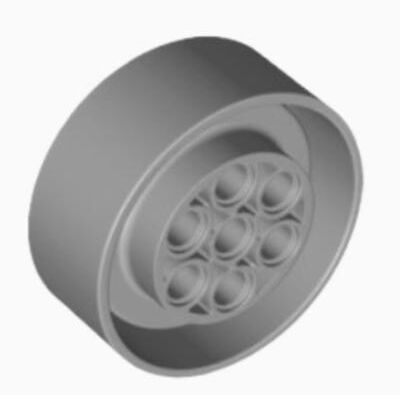
Lush Living Finds Perforated Brick Assembly Toy Accessories With Technology Mechanical Wheels Perforated Brick Assembly Toy Accessories With Technology Mechanical WheelsEnhance Creativity with Technology Mechanical Wheels Unlock the power of innovation with our technology mechanical wheels, designed specifically for perforated brick assembly toy accessories. Whether you are a hobbyist or a seasoned builder, these...43,97 $*Shipping: 0,00 $Secure redirect to the provider
-
Redken Thermal Spray 250mlRedken Thermal Spray protects and repairs hair from thermal damage. Key Benefits: Heat protection 230°C 24 hour frizz protection Increased shine Bottle made from recycled plastic (excluding pump and cap) With a lightweight formula, this heat protector protects hair from up to 230°C and is suitable for all hair types. Frizz is reduced and hair is left with a glossy shine for that salon-fresh finish from root to tip. Formulated with Redken’s Heat Re-Style technology, this protecting mist can be applied once and still allow for endless re-styling throughout the day. Ingredients: Aqua / water • Isobutane • Propylene Glycol • Sodium Polystyrene Sulfonate • Carbomer • Triethanolamine • Phenoxyethanol • Peg-40 Hydrogenated castor oil • Parfum / fragrance • Peg-60 Almond Glycerides • Polysorbate 20 • Cocamidopropyl Betaine • Benzophenone-4 • Glyceryl Laurate • Sodium Chloride • Hydroxypropyltrimonium Hydrolyzed Wheat Protein • Glycerin • Alpha-isomethyl Ionone • Xylose • Linalool • Hydroxycitronellal • Hexyl Cinnamal • Citronellol • Sodium Benzoate • Geraniol • Limonene • Benzyl Alcohol • Isoeugenol20,40 £*Shipping: 0,00 £Secure redirect to the provider
-
What is thermal resistance in electronics?
Thermal resistance in electronics refers to the measure of how a material or component resists the flow of heat. It is important in electronics to manage heat dissipation to prevent overheating and ensure the proper functioning of components. Thermal resistance is typically measured in degrees Celsius per watt (°C/W) and is used to calculate the temperature rise of a component for a given power input. Lower thermal resistance values indicate better heat dissipation capabilities. **
-
Among which thermal pads is thermal paste used?
Thermal paste is typically used between the CPU and the heatsink to improve heat transfer. It is not used with thermal pads, as thermal pads are pre-applied or placed between components where a more solid interface is needed. Thermal paste is a better choice for areas where there are small gaps or uneven surfaces that need to be filled for optimal heat dissipation. **
-
Can a thermal imaging camera detect spy cameras and listening devices?
Thermal imaging cameras are not typically designed to detect spy cameras and listening devices. These devices are usually small and do not emit heat signatures that can be picked up by thermal imaging technology. To detect spy cameras and listening devices, specialized equipment such as radio frequency (RF) detectors or hidden camera detectors would be more effective. These devices can detect the electronic signals or lenses of hidden cameras and listening devices. **
-
What is the difference between thermal energy and thermal power?
Thermal energy refers to the internal energy present in a system due to the motion and interaction of its particles. It is a measure of the total kinetic and potential energy of the particles in a substance. On the other hand, thermal power refers to the rate at which thermal energy is transferred or converted into other forms of energy, such as mechanical or electrical energy. It is a measure of the amount of thermal energy transferred per unit of time. In summary, thermal energy is the total energy present in a system, while thermal power is the rate at which thermal energy is transferred or converted. **
Similar search terms for Thermal
-
Klutz: LEGO GadgetsThis activity kit will have you building 11 machines including a gravity powered car and a wacky boxing robot. The fun doesn't stop once you've completed all of the projects in the book - open-ended prompts will inspire you to continue experimenting...24,99 $*Shipping: 0,00 $Secure redirect to the provider
-
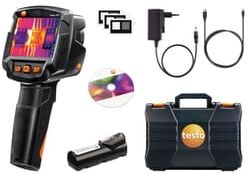
Testo 871s Thermal Imaging CameraTesto 871s Thermal Imaging Camera (0560 8716) The Testo 871s Thermal Imaging Camera is a professional choice for high-resolution thermography, wireless connectivity and real-time data integration. With an infrared resolution of 240 x 180 pixels (boosted to 480 x 360 with SuperResolution), it captures sharp thermal images, well suited to HVAC, electrical and building diagnostics. The 871s offers a temperature detection range from -30°C to +650°C with thermal sensitivity of 80mK (0.08°C) — higher sensitivity than the 865s and 868s, useful where spotting smaller temperature differences matters, such as preventative maintenance monitoring. It features a 35° x 26° field of view for inspecting large areas quickly, with automatic hot/cold spot detection highlighting problem zones instantly. Via Bluetooth, it pairs with the Testo 770-3 Clamp M2218,80 £*Shipping: 0,00 £Secure redirect to the provider
-
Should one use a thermal pad instead of thermal paste?
Whether to use a thermal pad or thermal paste depends on the specific application and personal preference. Thermal pads are convenient and easy to use, making them a good choice for beginners or for situations where precision application is difficult. However, thermal paste generally provides better thermal conductivity and is often preferred for high-performance applications such as gaming PCs or overclocking. Ultimately, the decision should be based on the specific requirements of the hardware and the user's level of expertise. **
-
What is the difference between convection, thermal radiation, and thermal conduction?
Convection is the transfer of heat through the movement of fluids (liquids or gases) due to differences in temperature. Thermal radiation is the transfer of heat in the form of electromagnetic waves, such as infrared radiation, without the need for a medium. Thermal conduction is the transfer of heat through a material without any movement of the material itself, as heat is transferred through direct contact between molecules. Each of these processes plays a role in how heat is transferred in different scenarios. **
-
Where is thermal radiation used in everyday life or in technology, for example?
Thermal radiation is used in everyday life and technology in various ways. In everyday life, thermal radiation is used in cooking, as the heat from a stove or oven radiates to cook food. In technology, thermal radiation is used in infrared heaters, which emit infrared radiation to heat objects and people directly, without heating the surrounding air. Thermal radiation is also used in thermal imaging cameras, which detect and visualize the heat emitted by objects and living organisms. **
-
What is thermal paste?
Thermal paste, also known as thermal compound or thermal grease, is a substance used to improve the heat transfer between a computer's central processing unit (CPU) or graphics processing unit (GPU) and its heat sink. It fills in the microscopic gaps and imperfections between the two surfaces, allowing for better thermal conductivity and heat dissipation. This helps to prevent overheating and ensures optimal performance of the computer components. **
* All prices are inclusive of VAT and, if applicable, plus shipping costs. The offer information is based on the details provided by the respective shop and is updated through automated processes. Real-time updates do not occur, so deviations can occur in individual cases. ** Note: Parts of this content were created by AI.